In short
- Up to four homes are allowed as of right on residential lots across Toronto, and up to six in wards 4, 9, 10, 11, 12, 13, 14, 19 and 23.
- Multiplexes of up to six units pay no City development charges, and free pre-approved fourplex and sixplex designs launched on October 2, 2026.
- Financing changes at five units, where CMHC’s MLI Select program allows up to 95% financing on new construction and amortizations of up to 50 years.
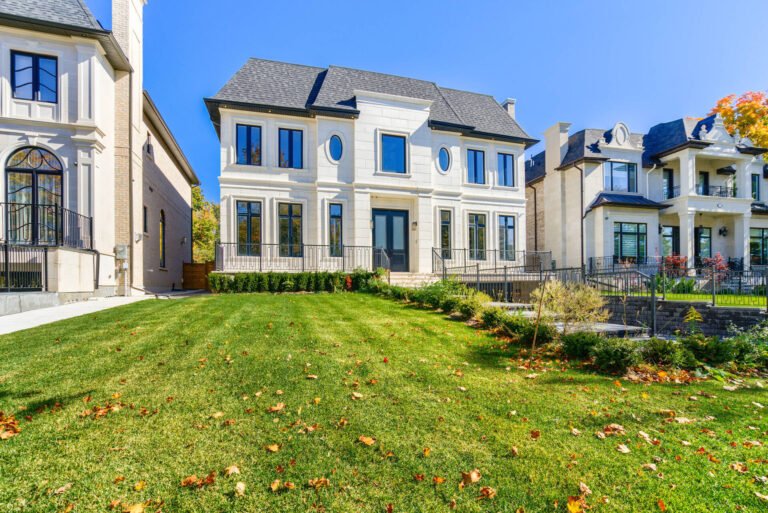
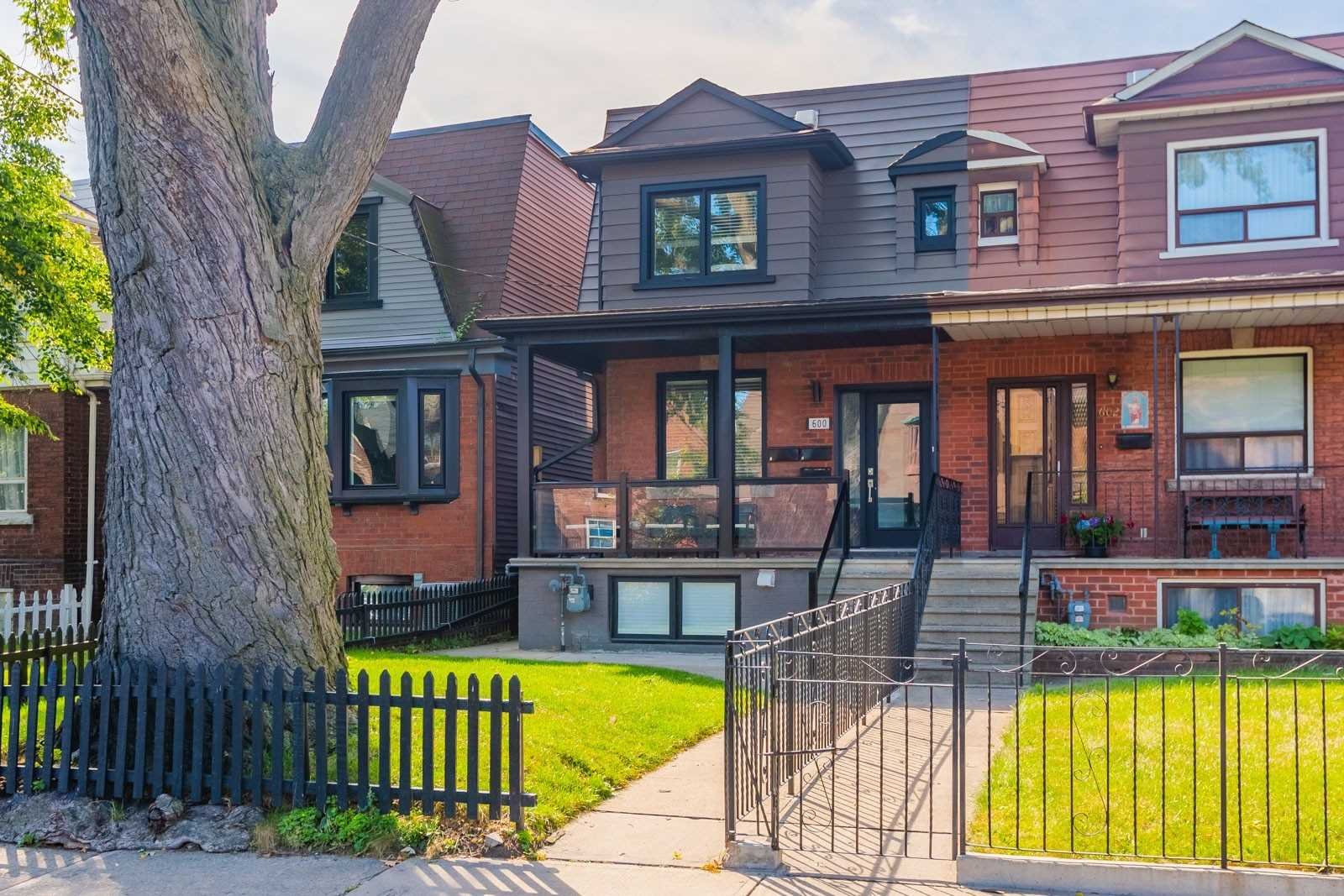
For most of Toronto’s history, a typical residential lot held one house, perhaps with a basement apartment. That has changed. After provincial reforms in 2022 and City decisions in 2023 and 2025, an ordinary lot can now hold a fourplex, in much of the old city a sixplex, and often a garden or laneway suite as well.
What you can build
| Where | What is allowed | Since |
|---|---|---|
| Across Ontario | Up to three units on most fully serviced residential lots, without a rezoning | November 2022 |
| City of Toronto | Up to four units on residential lots, city-wide | May 2023 |
| Wards 4, 9, 10, 11, 12, 13, 14, 19 and 23 | Up to six units | Approved June 2025 |
| Garden and laneway suites | Can be added alongside a multiplex when the regulations are met | City guidance |
The City’s multiplex rules set aside the usual floor space index limits, cap height at 10 metres where the mapped limit is lower, and require no parking for buildings with two to four units. Provincial rules that took effect in November 2024 also override some local limits on lot coverage and minimum lot size for additional units.
On October 2, 2026, the City launched free pre-approved fourplex and sixplex designs, which can shorten design and permitting time.
Development charges and other costs
- Multiplexes of up to six units: no City development charges or parkland fees, under a decision City Council made in July 2025.
- Garden and laneway suites: development charges are deferred for 20 years and only become payable if the lot is severed or converted to condominiums.
- Broader cuts: in June 2026, Council approved reductions of 40% for studio and one-bedroom units and 60% for larger units and houses, backdated to March 30, 2026 and tied to a federal and provincial funding agreement. Confirm the current status before you rely on it.
- Timing: under Ontario’s Bill 17, residential development charges are now generally due at occupancy rather than at building permit.
Financing a multiplex
Two to four units
If you or a close relative will live in the building, insured mortgages are available for up to 95% of the price for one or two units and 90% for three or four units, on purchases under $1.5 million. Lenders can count rent from the other units: up to 100% of gross rent for a two-unit property and up to 50% for three or four units. Investors who will not live there can typically borrow up to 80%.
Adding units to a home you own
Since January 15, 2025, homeowners can refinance up to 90% of the property’s value, including the value of new suites, over up to 30 years to build them. The improved value must be under $2 million, the property can have no more than four units, and the owner or a close relative must live there.
Five units or more
CMHC’s MLI Select program starts at five units. It scores projects on affordability, energy efficiency and accessibility. The higher tiers allow up to 95% financing on new construction and amortizations of up to 50 years. Affordability points require renting some units below set limits for at least ten years.
Looking at a conversion candidate? We check zoning, layout, budget and financing before you make an offer. Book a consultation and we guarantee a call back within 3 hours.
Tax rebates for new rental housing
- Federal purpose-built rental rebate: 100% of the GST on new rental buildings with at least four units that each have their own kitchen, bathroom and living area, or at least ten rental rooms, where at least 90% of units are long-term rentals. Construction must start before 2031. Ontario rebates its 8% share of HST under the same conditions. A triplex does not qualify.
- Ontario’s enhanced rental rebate: up to $80,000 for projects that start construction between April 1, 2026 and March 31, 2027 and do not meet the federal test, which can include duplexes. It cannot be combined with the federal rebate.
- Property tax: new multi-residential buildings in Toronto receive a 15% property tax reduction.
Renting it out
Units first occupied as homes after November 15, 2018 are exempt from Ontario’s rent increase guideline, which is 2.1% for 2026. Changes at the Landlord and Tenant Board that took effect on September 21, 2026 shortened the notice period for unpaid rent from 14 to 7 days, and removed compensation for own-use terminations when the landlord gives at least 120 days’ notice.
For investors outside Canada
The federal ban on foreign buyers does not cover non-condominium buildings with four or more units. Ontario’s 25% and Toronto’s 10% non-resident taxes still apply up to six units. Our guide to the foreign buyer ban explains the rules.
What to check before you buy a conversion candidate
- Zoning: how many units the address allows, and whether a garden or laneway suite fits.
- Lot and building: lot width and depth, setbacks, height, the existing structure and the basement ceiling height.
- Servicing and safety: water, sewer and electrical capacity, plus the fire separations and exits each unit needs.
- Budget and timeline: construction cost, permits and carrying costs, set against realistic rents.
- Financing and tax: which mortgage program fits and whether rebates apply. Your accountant should confirm the tax position.
Our multi-unit and multifamily page covers larger buildings and the thresholds that matter at each size.
This article is general information, not legal, tax or financing advice. Zoning and program rules change; confirm them for the specific property before you buy.
Sources
- Multiplexes, City of Toronto
- Expanding Housing Options in Neighbourhoods, City of Toronto
- Considerations when building multiplexes, City of Toronto
- Sixplexes approved in nine wards, CBC News, June 26, 2025
- Pre-approved multiplex designs, City of Toronto, October 2, 2026
- Toronto waives development charges for multiplexes, Storeys, July 2025
- Laneway and garden suite development charges deferral program, City of Toronto
- Development charge reductions, item MM42.44, Toronto City Council, June 2026
- Bill 23, More Homes Built Faster Act, Environmental Registry of Ontario
- Mortgage loan insurance for purchases, CMHC
- Rental income in mortgage qualification, CMHC
- Refinancing to add secondary suites, CMHC
- MLI Select, CMHC
- RC4231, GST/HST new residential rental property rebate, Canada Revenue Agency
- Residential rent increases, Government of Ontario
- Legislative changes at the Landlord and Tenant Board, Tribunals Ontario, September 21, 2026