In short
- On a work permit you can usually buy one home now, if at least 183 days remain on your permit. Ontario’s 25% and Toronto’s 10% non-resident taxes apply until you become a permanent resident, and are rebated if you do within four years.
- Lenders count base salary first and treat bonuses and equity carefully. CMHC’s newcomer program insures mortgages for work permit holders on homes under $1.5 million.
- Renting first is often the smart move: rents are easing, supply is high and it gives you time to learn the city.
Toronto has become one of North America’s leading tech hubs. CBRE’s 2026 Scoring Tech Talent report ranks it third, behind only the San Francisco Bay Area and Seattle, after the region added about 75,000 tech jobs from 2022 to 2025. Lyft, Salesforce, Robinhood, Nvidia and Clio all signed or renewed downtown office leases in 2025, and Wealthsimple is moving to a new headquarters at The Well in 2028.
If you are moving here for a role, or to build or scale a company, this guide covers the decisions that matter most in your first year.
Your immigration status shapes everything
Most tech professionals arrive on a work permit. Common routes include:
- Global Talent Stream: employers can get labour market approval in about ten business days, and work permits are usually processed in about two weeks.
- Intra-company transfers: for staff of multinationals that operate in at least two countries, generally after about two years with the company.
- CUSMA professionals: for qualifying citizens of the United States and Mexico.
Permanent residence is a separate step. Express Entry now invites candidates by category, and in 2026 cybersecurity specialists are the only IT occupation left on its STEM list, while a new category targets senior managers with Canadian experience. The federal government has also promised an accelerated pathway for H-1B visa holders, which had not launched as of August 2026. Speak to a licensed immigration lawyer or consultant early.
Can you buy right away?
Usually yes, but plan for the costs:
- Federal foreign buyer ban: work permit holders can buy one residential property if at least 183 days remain on their permit on the purchase date. The ban itself is scheduled to end on January 1, 2027.
- Non-resident taxes: Ontario charges foreign nationals a 25% non-resident speculation tax, and Toronto adds 10%. Both are rebated if you become a permanent resident within four years of buying, but you pay them upfront.
- Land transfer taxes: Ontario and Toronto each charge their own. First-time buyer refunds require citizenship or permanent residence within 18 months.
For many newcomers, the 35% in non-resident taxes decides the timing. Buyers who expect permanent residence soon often rent first or plan the purchase around it. Our guide to the foreign buyer ban covers the rules in more detail.
Mortgages when your pay includes bonuses and equity
Federal underwriting guidelines ask Canadian lenders to normalize or discount irregular income, such as bonuses and commissions, and to verify foreign income carefully. In practice:
- Your base salary does most of the work in qualifying.
- Bonuses usually need a track record before a lender counts them in full.
- Proceeds from shares you have already sold can fund a down payment, while unvested equity is rarely counted.
CMHC’s newcomer program insures mortgages for work permit holders buying a home they will live in, with the standard minimum down payment of 5% of the first $500,000 and 10% of the rest, on homes under $1.5 million. Several banks run newcomer programs too. Every borrower must also pass the stress test, at the higher of 5.25% or their contract rate plus two percentage points.
Relocating for a role or a company? We plan the search around your start date, immigration status and financing. See how we work with tech founders and executives, or send us a message and we guarantee a call back within 3 hours.
Rent first, or buy?
Renting for six to twelve months is a sensible default for many relocations. Toronto’s average asking rent was $2,554 in September 2026, down 1.4% from a year earlier, and there is more rental supply than in years. Renting lets you learn the commute and the neighbourhoods before you commit, while we watch the market for the right purchase.
Buying early makes more sense if you are already a permanent resident, if your role is long-term and you need a specific kind of home, such as a house near a particular school, or if you see real value in today’s market. With the GTA benchmark price roughly 30% below its 2022 peak, there are opportunities.
Choosing a neighbourhood
Start from where you will work and how you like to live:
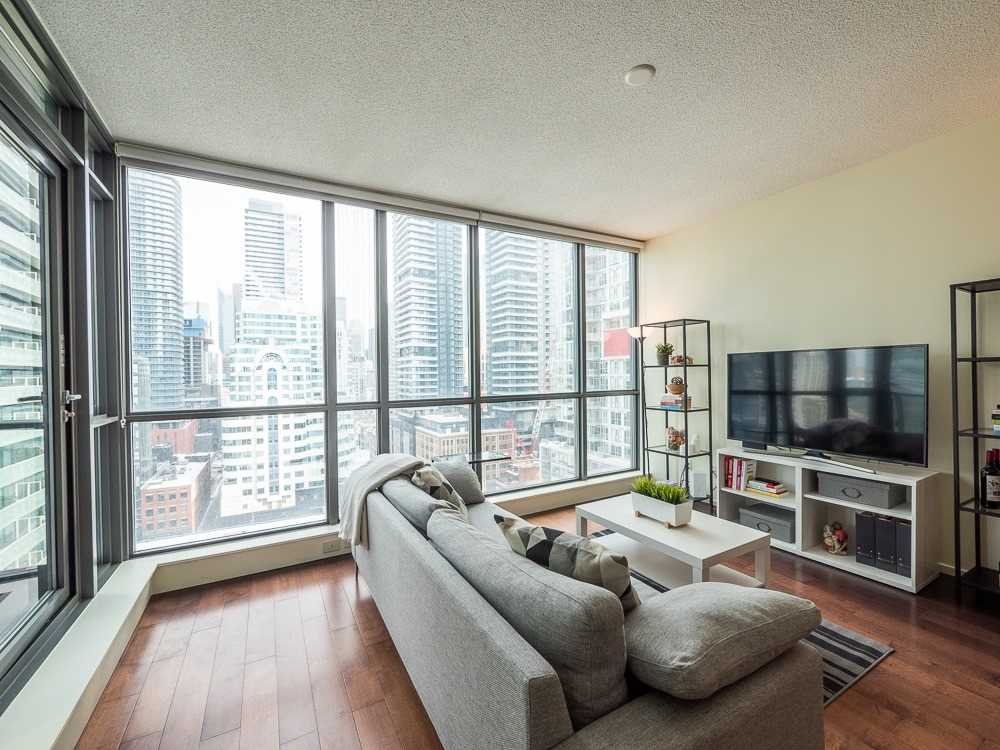
- Downtown and King West: walking distance to the offices where many tech companies are concentrated, with condos and lofts.
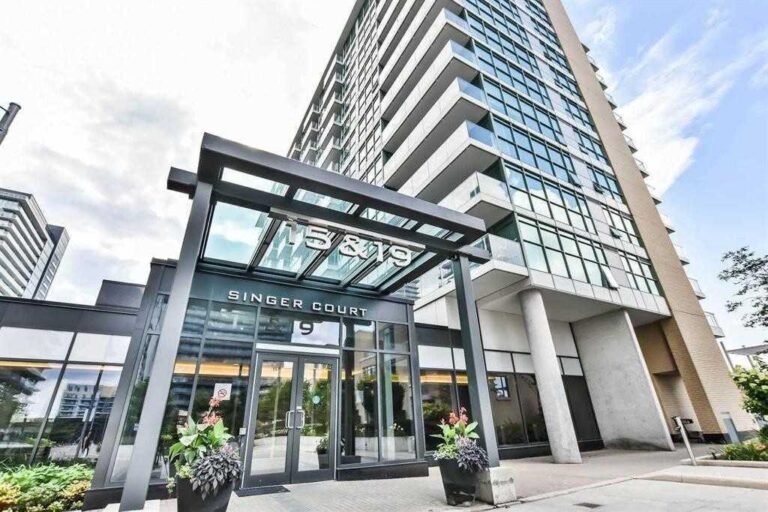
- Liberty Village and the waterfront: newer condos and townhomes, popular with younger professionals.
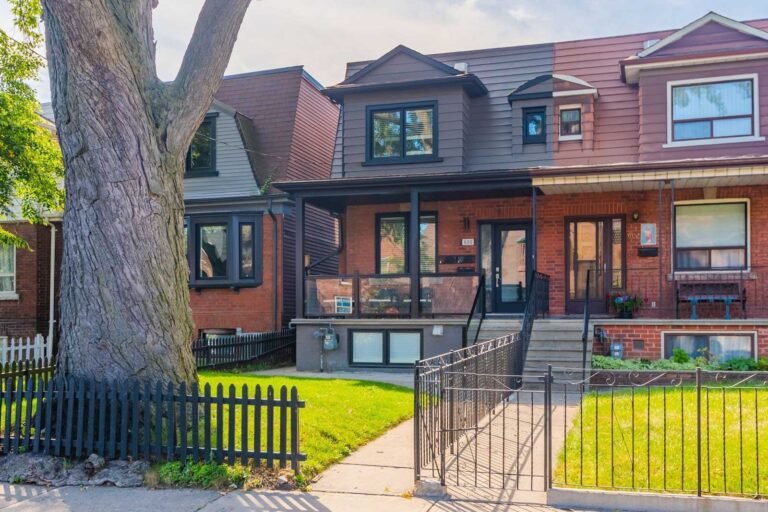
- Leslieville and Riverdale: Victorian and semi-detached houses with a neighbourhood feel, close to downtown.
- The Annex, Leaside and High Park: family houses, parks and well-regarded schools.
- The Eglinton corridor: Line 5 Eglinton opened in February 2026, improving east–west transit across midtown.
The Ontario Line, which will cross downtown, is not expected to open until the early 2030s.
Space for your company
Founders often need an office within months of arriving. CBRE reported downtown Toronto office vacancy of 13.1% in the third quarter of 2026, but only 2.7% in trophy buildings, so the best space is tightening while there is still choice in Class A and B buildings. Downtown sublease space is at its lowest level since 2020. We help founders find and negotiate office and commercial space, from a first office to a headquarters.
A note for US citizens
The United States taxes its citizens on their worldwide income, so a Canadian home, rental income or a later sale can have US tax consequences as well as Canadian ones. The Canada–US tax treaty and foreign tax credits help prevent double taxation. Get advice from a cross-border accountant before you buy.
How we help
Our founders spent the past decade scaling sales teams at tech companies, including a Canadian unicorn, and many of our clients are founders and executives. We run the search, negotiation and closing, coordinate your lawyer, lender and accountant, and keep everything confidential. Read more about real estate for tech founders and executives.
This article is general information, not immigration, legal, tax or financing advice. Confirm your situation with licensed professionals.
Sources
- Scoring Tech Talent 2026, CBRE
- Tech companies pick up pace of downtown Toronto office leasing, RENX, December 8, 2025
- Wealthsimple headquarters at The Well, CBRE, October 2026
- Global Talent Stream, Employment and Social Development Canada
- Express Entry category-based selection, IRCC
- H-1B pathway status, immigration.ca, August 12, 2026
- Prohibition on the Purchase of Residential Property by Non-Canadians Regulations, Justice Laws Website
- Non-Resident Speculation Tax, Government of Ontario
- Municipal Land Transfer Tax information, City of Toronto
- Land transfer tax refunds for first-time homebuyers, Government of Ontario
- Guideline B-20, residential mortgage underwriting, OSFI
- Newcomers to Canada, CMHC
- Toronto asking rents, September 2026, CBC News, October 8, 2026
- Eglinton Crosstown opening, Railway Age, February 2026
- Ontario Line timeline and cost, CP24, August 11, 2026
- Canadian office market, Q3 2026, CBRE, October 1, 2026