
In short
- In September 2026, homes that sold across the TRREB area averaged 34 days on the listing that sold, and 51 days once TRREB added earlier listings of the same property that were taken down and relisted. Agents, and often buyers, can still see those earlier listings.
- In September 2026, the average TRREB price was 5.1% below a year earlier and the MLS® HPI composite benchmark was down 4.7%, so reset your price against current competing listings and recent sales.
- Read your old agreement before you relist. The expiry date is on its first page, and a holdover clause may mean commission is owed if a buyer who saw the home during the listing buys it within the holdover period.
If your GTA listing expired or was cancelled without a sale, the question is what to change before you try again: the same home at the same price, with the same photos, gives buyers who passed no reason to look again. Still under a listing agreement? Read the section on it first.
Why some listings end without a sale
TRREB said homebuyers were “in a holding pattern” in September 2026, as uncertainty about the economy, inflation and borrowing costs weighed on sales. A listing that ends unsold has often stumbled on one or more of these:
- Price. Buyers compare it with competing listings and recent sales, not with what you paid.
- Presentation. Few or dim photos, and no floor plan or video, can lose buyers before they book a showing.
- Marketing reach. Listing on the MLS® System and waiting, without outreach to agents with active buyers, reaches fewer people.
- Showing access. Narrow windows, long notice or hard-to-schedule tenants mean fewer buyers walk through.
- Terms. A fixed closing date or a refusal to consider conditions can rule out willing buyers.
- Timing and offer process. RECO warns that an offer date that passes without offers can make a home look overpriced and keep it on the market longer.
What the TRREB data shows
TRREB’s September 2026 figures, released 6 October, show 5,040 sales across all TRREB areas, down 9.0% from a year earlier, and 26,131 active listings. The average price was $1,006,409, down 5.1%. Homes sold for 98% of their list price on average, and TRREB’s trend measure put months of inventory at 4.6. Condo apartments averaged $605,257, down 7.7%; investors can weigh whether to sell or hold a GTA condo. Our fall 2026 market update has the wider picture.
TRREB also reports two days-on-market averages:
- Listing days on market (LDOM) runs from the contract date of the listing that sold to the sale date.
- Property days on market (PDOM) adds time on earlier listings when a property was terminated and relisted before selling. When the Toronto Real Estate Board (TREB, now TRREB) introduced it in 2019, it described relistings by the same owner, brokerage and salesperson during the original contract period.
| All TRREB areas | Avg. LDOM | Avg. PDOM | Gap |
|---|---|---|---|
| September 2026 | 34 days | 51 days | 17 days |
| September 2025 | 33 days | 51 days | 18 days |
| January to September 2026 | 32 days | 47 days | 15 days |
A home that was never relisted has the same count on both measures, so the gap comes from homes that were taken down and relisted before they sold. TRREB’s monthly report doesn’t say how many sales that was. Both figures also cover only homes that sold, so neither shows how long unsold listings stayed on the market.
What to change before you relist
- Price to the competition. Rebuild it from active listings of your type nearby and sales from the last few months. If the old price sat above them, correct it at relaunch, not weeks later. A broker’s evaluation is a practical start.
- Photos, floor plan and video. Use new photos in good light, a measured floor plan and a short walkthrough. Label any virtually staged image.
- Pre-listing inspection. It lets you repair, price in or explain problems before a buyer’s inspector finds them. As RECO explains Ontario case law, sellers must disclose latent defects that make a property unfit for habitation, dangerous or potentially dangerous, and a seller’s agent who knows of one must tell every interested buyer. If the report finds a defect of that kind, get legal advice on disclosing it before listing.
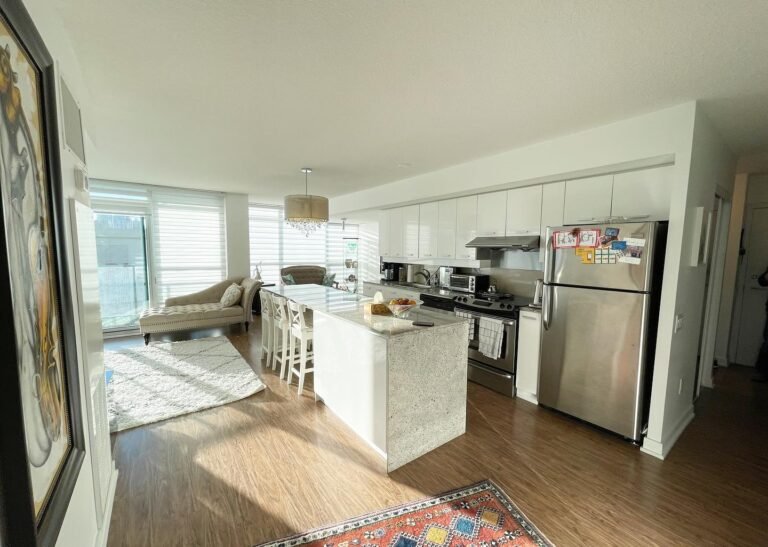
- Staging. Declutter, finish small repairs and stage the main rooms, especially in a vacant home.
- Offer strategy. An offer date works only when enough buyers are interested. RECO lists the risks: motivated buyers who won’t wait, buyers who see the process as tilted toward the seller, and a date that passes with no offers. Reviewing offers as they arrive avoids those risks but gives up a shared deadline. Either way the decisions are yours, and your agent needs clear written direction before sharing any offer’s contents. If you set a date, put in writing how early offers will be handled.
What buyers can see about your listing history
A new listing starts a new LDOM count but does not erase the old one. The MLS® System isn’t public, but TRREB members can search it, including earlier list prices, time on the market and listings that expired or were withdrawn. Brokerage websites that use TRREB’s data feed for registered users can also show buyers sold prices and a home’s delisting history.
Assume a serious buyer will know your previous price and how long you were listed, and relaunch around what has changed.
Your old listing agreement: end date, early release and holdover
When it ends. RECO requires the expiry date to appear prominently on the first page, with your initials beside it. Taking a listing off the MLS® System doesn’t necessarily end the agreement; its own terms say when it can be terminated. If the expiry date hasn’t passed and you have no written release, ask your brokerage or a lawyer whether it is still in force.
Ending it early. That depends on the agreement, which RECO says should set out when it can be terminated and any penalties or costs. Axess Law notes a brokerage may agree to an early end by mutual consent, sometimes only if you don’t relist before the original expiry date. Get any release in writing.
Holdover. Most agreements include a holdover clause, which RECO explains can require you to pay the brokerage’s fee on a sale after expiry if its conditions are met: with a 30-day holdover, a sale within 30 days of expiry might mean commission is owed. There is no minimum or set length. The Ross Firm says the deciding factor for sellers is whether the eventual buyer was exposed to the home during the listing, and that the clause typically won’t apply if you list with another brokerage at the same or a higher commission during the holdover period. Axess Law warns that, depending on the wording, a holdover clause can mean paying double commission. Read yours, and see a lawyer before accepting an offer from anyone who saw the home during the old listing.
Still under contract? Ontario’s rules, as RECO explains them, say an agent must not communicate directly with another agent’s client without that agent’s written consent. While your agreement is in force, take your questions to your current brokerage.
Has your listing agreement ended? If it expired or your brokerage released you in writing, we will review why the home did not sell and set out a plan for relisting. If it is still in force, even with the home off the MLS® System, please speak to your current brokerage; we can talk once it has ended. Ask for a relisting review and a broker will call you back within 3 hours, guaranteed, for requests made between 9 a.m. and 9 p.m., any day of the week. Requests made after 9 p.m. or before 9 a.m. get a call by noon.
How we approach it
We begin only after your previous agreement has ended, with the record: listing and price-change dates, photos, showing activity, feedback and how offers were handled. We compare it with homes that sold, and those that didn’t, in the same area, type and price range, and check the old agreement’s expiry and holdover terms with you.
Then we set out in writing what we would change and when to relaunch. You decide what to adopt. Our selling page explains how we run a listing.
Figures and rules are as published by the sources below on the dates shown and may change. This is general information, not legal, tax or financial advice.
Sources
- Market Watch, September 2026, Toronto Regional Real Estate Board, 6 October 2026
- Detailed Analysis of Days on Market Statistics, Toronto Real Estate Board, 2019 (data to February 2019; copy hosted by Move Smartly)
- The Toronto Real Estate Board v. Commissioner of Competition, 2017 FCA 236, Federal Court of Appeal, 1 December 2017
- Tech company Listed calls on TRREB to restore VOW data after five-month blackout, REM Real Estate Magazine, 19 November 2025
- RECO Bulletin 1.1: Professional conduct, Real Estate Council of Ontario, effective 1 December 2023
- RECO Bulletin 2.3: Representation agreements, Real Estate Council of Ontario, accessed 26 October 2026
- Signing a contract with a real estate brokerage, Real Estate Council of Ontario, last modified 3 July 2026
- RECO Bulletin 4.2: Managing a delayed offer presentation process, Real Estate Council of Ontario, effective 1 December 2023, accessed 26 October 2026
- Dealing with competing offers, Real Estate Council of Ontario, last modified 3 July 2026
- RECO Bulletin 7.4: Facts a seller has a legal obligation to disclose, Real Estate Council of Ontario, accessed 26 October 2026
- Holdover Clauses – When No-Deal Still Means Paying Commission, The Ross Firm (via Mondaq), 6 September 2017
- Cancelling Realtor Listing Agreements, Axess Law, 15 December 2021