In short
- GTA condo apartments sold for an average of $605,257 in September 2026, 7.7% less than a year earlier, and resale prices in newer buildings are about 25% below early 2022.
- New condo completions are set to fall sharply from 2027, but forecasters expect little price growth next year, and fixed mortgage rates rose in September.
- Whether to sell or hold comes down to five numbers: your monthly cash flow, your renewal payment, your net proceeds today, your break-even and your tax position.
Many investors bought GTA condos between 2019 and 2023 expecting rents and prices to keep climbing. Instead, prices have fallen, rents have softened and borrowing costs are higher than when most of those mortgages were signed. If you own a condo you rent out, the question we hear most often is simple: should I sell now, or hold and wait for the market to come back? Here is what the data says, and how to work out the answer for your own unit.
Where the condo market stands
| GTA condo market | Latest figure | Change |
|---|---|---|
| Condo apartment sales, September 2026 | 1,316 | −7.8% from a year earlier |
| Average condo apartment price, September 2026 | $605,257 | −7.7% from a year earlier |
| Resale price per square foot in newer buildings, first quarter 2026 | $859 | −25% from early 2022 |
| Completed new units still unsold, first quarter 2026 | 4,295 | A record |
| New condo sales, first quarter 2026 | 246 | Lowest in 35 years |
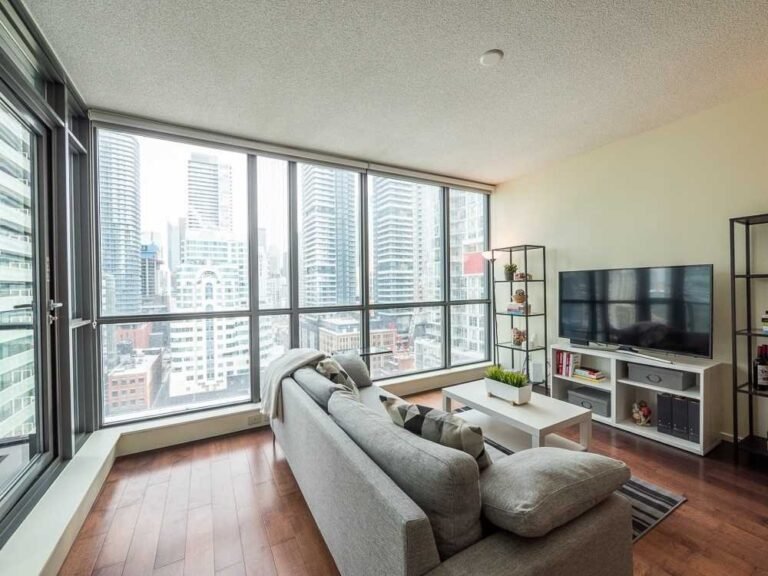
Condo apartments are one of the weakest parts of the market. Across all home types, the average GTA price was down 5.1% from a year earlier in September; for condo apartments it was down 7.7%. Resale owners are also competing with builders. Early this year, unsold new units were priced about 38% above comparable resale units, and some developers have been cutting prices “to or below cost” to move them.
Why so many investors are under pressure
A 2024 study by CIBC and Urbanation found that 58% of investors who bought GTA condos in 2023 with a mortgage were losing money every month, with an average shortfall of $597. Rents had risen about 8% while ownership costs rose 21%. Since then prices have fallen further and, as we noted in our fall 2026 market update, asking rents are still easing.
Borrowing costs are the other pressure. As of mid-October the Bank of Canada had held its policy rate at 2.25% all year, but fixed mortgage rates rose in September, and the Canadian Real Estate Association pointed to “the latest jump in fixed mortgage rates” when it cut its sales forecast in October. If your mortgage was signed when rates were lower, your payment can rise sharply at renewal. The strain is showing: mortgage arrears at major Ontario lenders reached 0.30% in February 2026, the highest since 2011, and GTA power-of-sale listings hit a two-year high in April.
The case for holding
Supply is about to tighten. Urbanation projects about 21,850 condo completions in the Greater Toronto and Hamilton Area in 2026, falling to about 14,600 in 2027, 13,000 in 2028 and just 2,000 in 2029, because so few new projects have launched. Its president, Shaun Hildebrand, says “condo supply is set to see its largest ever decline in the coming years.” Fewer new units should, over time, support both rents and resale prices.
Holding can make sense if you can carry the unit comfortably at today’s rates and at your renewal rate, you have a reliable tenant, and you can wait several years. Selling near the bottom of a cycle turns a paper loss into a real one, and the costs of selling now and buying back in later are significant.
The case for selling now
Forecasters do not expect a quick rebound. The Canadian Real Estate Association expects Ontario’s average price to rise just 0.7% in 2027. If you are losing money every month, each year of waiting adds to the loss, and a recovery may take longer than your cash or your patience lasts. Selling also frees up capital for other uses, and selling on your own timeline is far better than being forced to sell later on a lender’s.
Your building matters as much as the market. A unit competing with discounted new inventory nearby, or in a building with many similar listings, may face more price pressure than the averages suggest.
How to decide: five numbers to work out
- Your monthly cash flow. Rent minus your mortgage payment, maintenance fees, property tax, insurance and an allowance for vacancy and repairs.
- Your renewal payment. When your mortgage renews and what your payment will be at today’s rates. A unit that breaks even today can lose money after renewal.
- Your net proceeds today. A realistic sale price based on recent sales in your building, not list prices, minus commission, legal fees and any mortgage prepayment penalty.
- Your break-even. How much prices would have to rise, after your monthly losses and selling costs, for holding to beat selling now, and how many years that would take at forecast growth.
- Your tax position. The capital gain or loss on a sale, and any capital cost allowance you claimed that may be recaptured. Your accountant can tell you how selling this year or next would affect your taxes.
There are options in between. Some owners refinance or extend their amortization to lower the payment, re-lease to a stronger tenant, or sell one unit and keep another. The right answer depends on your numbers, not on the headlines.
Want a hold-or-sell review for your condo? We will pull recent sales in your building, estimate your net proceeds and set out what holding would cost you over the next two years. Ask for a home evaluation and a broker will call you back within 3 hours, guaranteed.
How we approach it
When we review a condo for an investor, we start with the building, not the market: recent sales and leases in the same building, competing listings and new inventory nearby, and the unit’s cash flow before and after renewal. If selling is the right call, we price to what buyers are paying now and prepare the unit to stand out in a crowded market. If holding is the better call, we will tell you that too.
Figures are as published by the sources below and may be revised. This is general market information, not financial, tax or legal advice.
Sources
- Market Watch, September 2026, TRREB
- Toronto’s condo market hits rock bottom as unsold units pile up (Urbanation data), Canadian Mortgage Professional, April 22, 2026
- New condo sales in the GTHA rose last quarter and supply is now thinning quickly (Urbanation data), CP24, July 20, 2026
- GTA condo investors losing money at recessionary level (CIBC and Urbanation report), Wealth Professional, July 26, 2024
- CREA downgrades home sales forecast for the third time this year, BNN Bloomberg, October 16, 2026
- Power-of-sale listings and Ontario mortgage arrears (Canadian Bankers Association data), ApartmentBuildings.com, May 2026
- Policy interest rate announcement, Bank of Canada, September 2, 2026